5 Everyday Habits That Worsen Leg Pain, And What To Do Instead
If your legs feel increasingly heavy, achy or tired by the end of each day, the problem might lie in routines you've never questioned. Many people unknowingly worsen their leg discomfort through habits that seem harmless but gradually strain the venous system. Dr. Louis Prevosti has observed these patterns throughout his 30 years of cardiovascular experience and 15 years focusing exclusively on vein disorders at Prevosti Vein Center in Canton.
The connection between daily habits and chronic venous insufficiency often goes unrecognized until symptoms become impossible to ignore. Understanding which behaviors contribute to leg pain gives you practical ways to protect your vein health and reduce your discomfort. While lifestyle changes alone cannot reverse venous insufficiency once it develops, they can slow progression and improve how your legs feel during daily activities.
1. Prolonged Sitting Without Movement Breaks

The Problem
Sitting for hours at a time ranks among the most common contributors to worsening leg pain. When you remain seated, your calf muscles stay inactive. These muscles normally act as a pump, squeezing veins and propelling blood upward against gravity. Without this pumping action, blood pools in your lower legs.
The pressure in your leg veins increases significantly during prolonged sitting. This sustained pressure stresses the one-way valves inside your veins, which work to prevent backward blood flow. Over months and years, this repetitive strain can damage these valves, leading to the backflow and pooling characteristic of venous insufficiency.
Dr. Prevosti evaluates occupational factors during diagnostic consultations because he recognizes how desk jobs and long commutes contribute to venous disorders. Patients often report that their leg pain and aching intensify on workdays when they spend eight or more hours seated.
What To Do Instead
Breaking up sitting time requires minimal effort but offers meaningful benefits. Set a timer to stand and walk up and down the hallway a few times every 45 to 60 minutes. Even brief movement activates your calf muscle “pump” and reduces venous pressure.
While seated, perform calf raises by lifting your heels off the floor and lowering them back down. Repeat this 10 to 15 times every hour. Ankle circles and flexing your feet back and forth also promote blood movement. This works well during a long plane flight as well!
Take actual walking breaks when possible. A five-minute walk around your office or home provides more circulation benefits than any amount of seated exercise. If you work from home, consider taking phone calls while standing or walking to stay active.
Wearing medical grade compression stocking will help too. The compression on your calves helps to reduce blood pooling and makes calf muscle contractions more effective in pumping blood out of your leg.
2. Standing in One Position for Extended Periods

The Problem
Standing might seem better than sitting for leg health, but static standing creates its own problems. When you stand still, gravity pulls blood downward, while your calf muscles remain largely inactive. The combination produces significant venous pressure in your lower legs.
Many occupations require prolonged standing, including retail workers, healthcare professionals, teachers, cooks, hairstylists and manufacturing employees. Dr. Prevosti frequently sees patients whose symptoms correlate directly with their standing work schedules. What makes this habit particularly problematic is that the pressure compounds over the years, gradually weakening the venous valves until chronic venous insufficiency develops.
What To Do Instead
Movement makes all the difference. If your job requires you to stand, incorporate motion whenever possible. Shift your weight from one leg to the other every few minutes. Rock gently from your heels to your toes and back again. Walk in place during any downtime you might have. If possible, walk for a few minutes every hour or so.
Consider using an anti-fatigue mat if you stand in one location regularly. These cushioned surfaces encourage subtle shifts in position that keep your muscles engaged. When feasible, elevate one foot on a small stool or step, alternating legs every 15 to 20 minutes.
Graduated compression stockings provide external support that helps counteract the effects of prolonged standing. Medical-grade compression (typically 20-30 mmHg) works far better than drugstore varieties. Ask Dr. Prevosti about appropriate compression strength during your evaluation.
3. Skipping Compression Support When You Need It
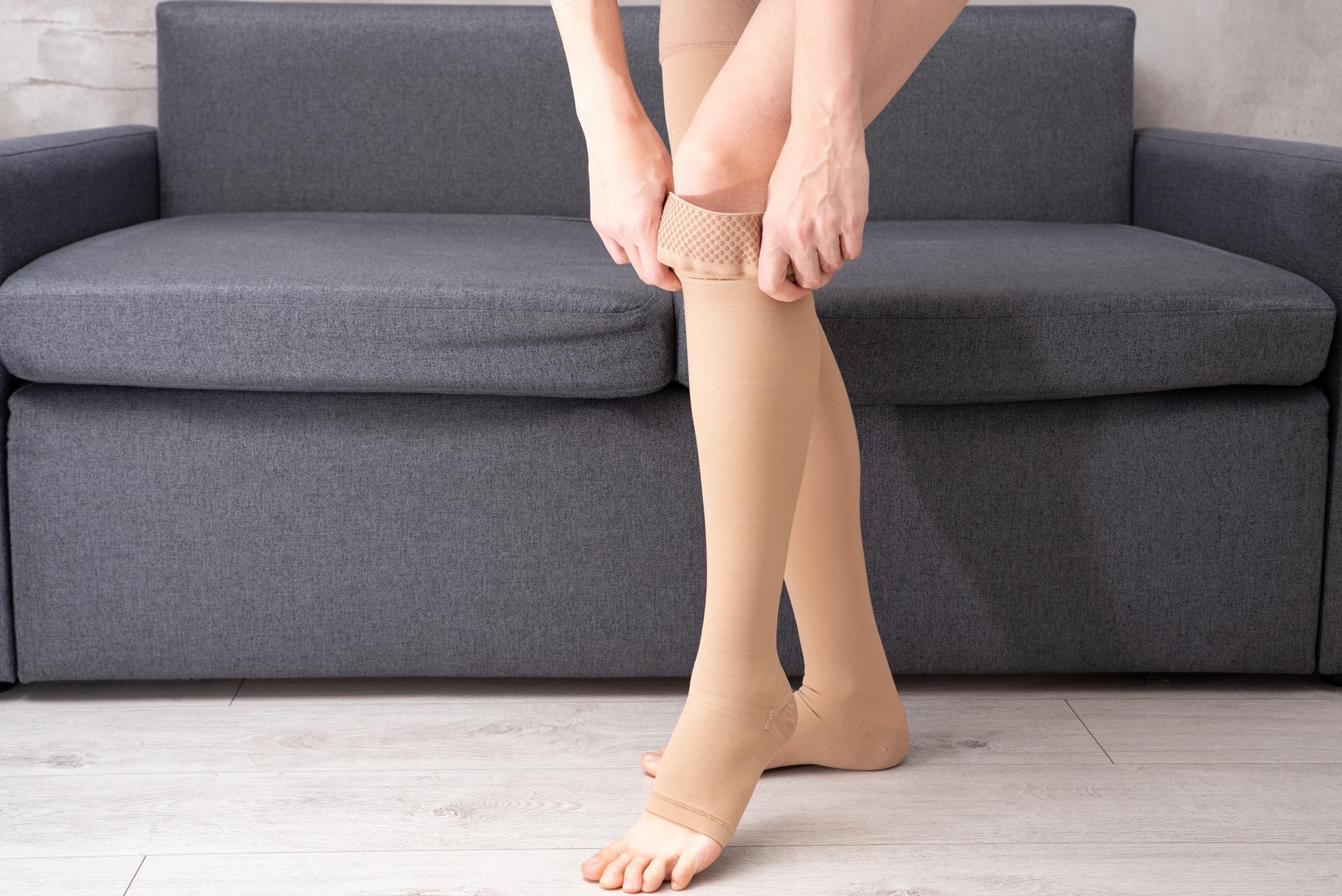
The Problem
Many people dismiss compression stockings as uncomfortable, unnecessary or purely cosmetic. This misconception means missing out on one of the most effective tools for managing venous insufficiency symptoms and slowing the progression of the disorder.
If you find one pair of compression stocking are too uncomfortable, don't give up! You wouldn’t give up on slacks just because one pair did not fit you well! Try a different brand and/or a different material, and make sure you are properly measured and the correct size is selected. Each stocking manufacturer has their own sizing system.
Compression stockings work by applying graduated pressure to your legs, with the strongest compression at the ankle and gradually decreasing pressure as it goes up the calf. This pressure gradient helps your veins move blood upward, essentially doing part of the work that your damaged valves can no longer perform effectively.
The problem intensifies because not all compression garments function equally. Over-the-counter support hose from drugstores typically provides 8 to 15 mmHg of pressure, which proves insufficient for most people with venous disorders. Medical-grade compression delivers the 20 to 30 mmHg (or higher) pressure needed to meaningfully impact venous circulation. For preventive measures in patients who have no known venous insufficiency, 15-20 mmHg may suffice.
What To Do Instead
Start by getting proper guidance on compression stocking strength and fit. Dr. Prevosti can recommend the appropriate compression level based on your symptoms and diagnostic ultrasound findings. For most patients with venous insufficiency, 20 to 30 mmHg compression provides optimal benefit.
Professional fitting makes a substantial difference in comfort and compliance. Properly fitted garments feel snug but not painful and stay in place throughout the day.
Wear compression during high-risk situations: long flights, extended car trips, days when you'll be sitting or standing for hours. If you have a family history of vein disorders or you're pregnant, compression provides preventive benefits. Many patients find that wearing compression stockings regularly reduces their leg heaviness and tiredness noticeably by the end of each day.
4. Ignoring the Connection Between Your Weight and Leg Health
The Problem
Excess weight places additional pressure on your venous system. The extra force compresses veins in your abdomen and pelvis, making it harder for blood to flow up from your legs. This increased resistance means leg veins must work against even greater pressure to return blood to your heart.
Weight also correlates with reduced physical activity in many cases, creating a compounding effect. Less movement means less activation of the calf muscle pump, which further impairs venous return. Dr. Prevosti evaluates weight as one of several risk factors contributing to venous insufficiency. While weight alone doesn't cause vein disorders, it intensifies the impact of other factors like genetics, pregnancies and age-related valve weakening.
What To Do Instead
Sustainable movement matters more than extreme exercise programs. Walking provides an ideal low-impact activity that activates your calf pump without placing excessive strain on your joints. Start with 15 to 20 minutes daily and gradually increase duration as your fitness improves.
Swimming and water aerobics offer additional benefits for vein health. The hydrostatic pressure of water provides gentle compression to your legs while you exercise, supporting venous return. These activities also reduce stress on joints, making them accessible for people with arthritis or other limitations.
Strength training supports your muscle pump function. Stronger leg muscles squeeze veins more effectively, improving blood flow. Focus on exercises that engage your calves: standing calf raises, squats and lunges all build the muscles that support venous circulation.
Work with your healthcare team on realistic weight management goals. Modest weight loss, even 10 to 15 pounds, can reduce venous pressure and improve symptoms.
5. Delaying Evaluation When Symptoms Develop
The Problem
Perhaps the most detrimental habit is waiting to seek evaluation when leg symptoms appear. Many people dismiss early signs of venous insufficiency as normal aging or simple fatigue. They assume their discomfort will resolve on its own or that nothing can be done until symptoms become severe.
This delay allows venous insufficiency to progress unchecked. The condition never improves without treatment because damaged vein valves cannot repair themselves. As months and years pass, symptoms typically worsen. What begins as occasional leg heaviness evolves into constant aching, visible varicose veins, chronic swelling and eventually skin changes or ulcers in advanced cases.
Dr. Prevosti's extensive diagnostic experience allows him to recognize even subtle early patterns of venous insufficiency. His work treating tens of thousands of patients with venous conditions has shown him repeatedly that earlier intervention produces better outcomes.
What To Do Instead
Seek evaluation if leg symptoms persist beyond occasional tiredness after unusually active days. Pay attention to patterns. Discomfort that worsens throughout the day and improves with leg elevation typically indicates a venous problem rather than muscle soreness or arthritis.
Don't ignore accompanying signs. Leg swelling that develops by evening, visible spider veins or varicose veins, skin discoloration around your ankles, nighttime leg cramps and restless legs all suggest venous insufficiency.
Schedule a consultation at Prevosti Vein Center, where diagnostic ultrasound and evaluation occur during the same visit at the same Canton location. This comprehensive approach eliminates the inconvenience of visiting separate imaging centers and provides definitive answers about what's causing your symptoms.
Dr. Prevosti's diagnostic ultrasound examination maps your venous system to determine which veins function normally and which show signs of insufficiency. His 100% focus on vein disorders means you receive expert evaluation from a specialist who dedicates his entire practice to these conditions.
When Home Strategies Aren't Enough
Modifying daily habits supports vein health and can improve how your legs feel, but lifestyle changes alone cannot reverse venous insufficiency once valve damage occurs. If you've adjusted your routines and still experience persistent symptoms, professional treatment addresses the underlying problem rather than just managing discomfort.
Prevosti Vein Center offers comprehensive minimally invasive vein treatments, including:
- Radiofrequency ablation
- Endovenous laser ablation (EVLA)
- VenaSeal closure system
- Varithena foam therapy
- Ambulatory micro-phlebectomy
- Sclerotherapy
Dr. Prevosti selects treatment approaches based on your venous anatomy and symptoms, drawing on his cardiovascular surgical background and experience performing over 20,000 vein procedures.
These office-based treatments use local anesthesia and require minimal downtime. Most patients return to normal activities within one to two days while experiencing progressive improvement in their symptoms over the following weeks.
Protecting Your Vein Health Long-Term
The habits you maintain today influence how your legs will feel years from now. Movement, compression support, weight management and timely professional evaluation all work together to protect venous function. People with risk factors like family history, multiple pregnancies or jobs requiring prolonged sitting or standing benefit most from staying proactive about leg health.
Schedule Your Vein Health Evaluation in Canton
If you're experiencing leg pain, heaviness, swelling or visible vein changes, contact Prevosti Vein Center to schedule your evaluation. Dr. Prevosti's compassionate approach and specialized expertise help patients throughout Canton and North Georgia find relief from venous insufficiency symptoms and regain the comfort they need for active lives.
Call (470) 567-9047 or get in touch online today.
Take Back Your Comfort and Confidence With Prevosti Vein Center
Every patient at Prevosti Vein Center receives personal attention from Dr. Prevosti, a vein specialist with decades of experience in cardiovascular surgery. At Prevosti Vein Center, you will have access to the caliber of diagnostic and treatment approaches only available from a dedicated specialist.
Dr. Prevosti employs a compassionate and patient-centered approach that can reduce your symptoms and improve your comfort and daily activity level. His commitment to excellence in vein care has helped thousands of patients regain the confidence and freedom they need to pursue active lifestyles without the limitations of vein disorders.
Contact Prevosti Vein Center today to schedule an evaluation and discover how an experienced vein specialist can improve your quality of life.
