Varicose Veins & Bulging Veins
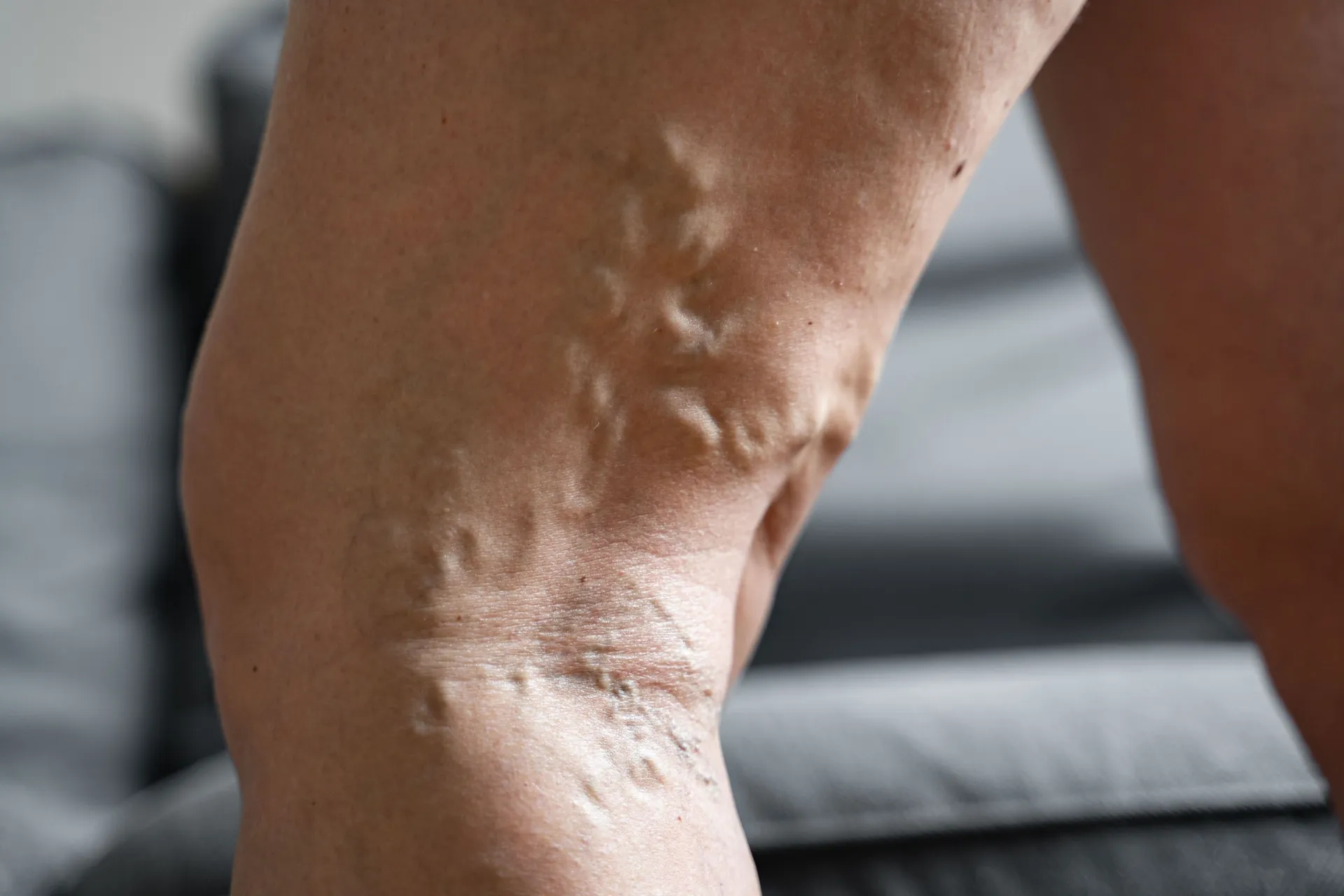
When veins near your skin's surface become enlarged and twisted, they create the bulging, rope-like appearance known as varicose veins. These abnormal veins are more than a cosmetic concern, as they signal underlying circulation problems that can worsen without treatment.
At Prevosti Vein Center, Dr. Louis Prevosti brings over 30 years of cardiovascular expertise to diagnose and treat the underlying cause of varicose veins, helping patients throughout Canton and North Georgia regain comfort and confidence.
What Causes Varicose Veins?
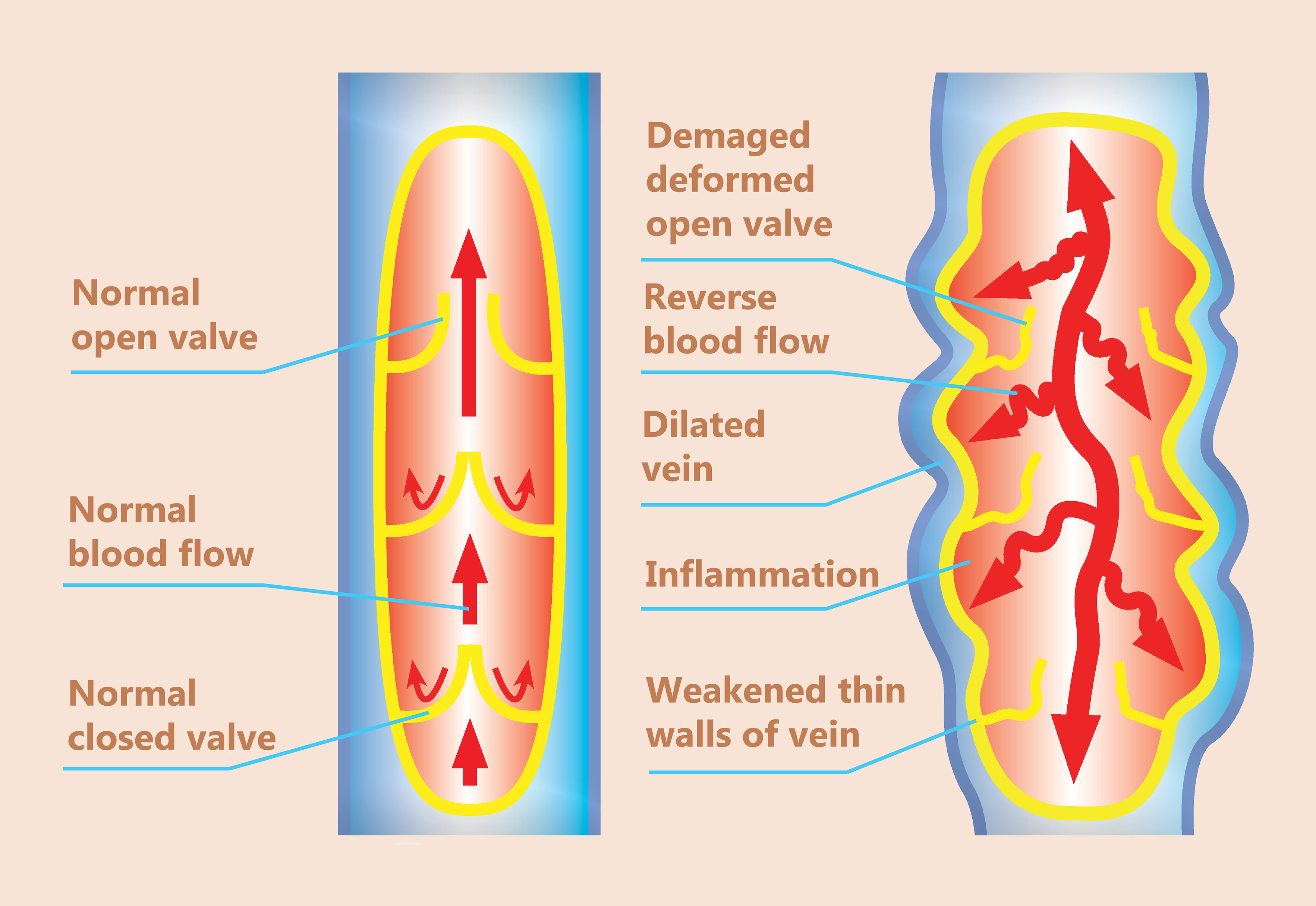
Varicose veins develop when one-way valves inside your veins fail to function properly. These valves are designed to prevent blood from flowing backward as it travels from your legs to your heart. When valves do not work properly, they allow blood to flow backward and pool in the veins, causing them to stretch and bulge under the increased pressure. This deterioration of vein valve function, called chronic venous insufficiency, affects millions of Americans and tends to worsen progressively.
Dr. Prevosti's diagnostic expertise allows him to identify the specific factors contributing to your varicose veins. Common risk factors include genetics, multiple pregnancies, occupations requiring prolonged standing, age-related valve weakening and previous blood clots. Through a comprehensive ultrasound evaluation performed in his Canton office, Dr. Prevosti maps the pattern of vein dysfunction to develop a targeted treatment plan.
How Common Are Varicose Veins?
Varicose veins are far more prevalent than most people realize. According to a research article published in Circulation, approximately 23% of U.S. adults have varicose veins, affecting an estimated 22 million women and 11 million men between the ages of 40 and 80. When spider veins and reticular veins are included, the prevalence climbs to over 80% of the adult population.
Family history is among the strongest predictors. Research suggests that if one parent has varicose veins, a child has roughly a 50% chance of developing them. If two parents are affected, that figure rises to approximately 90%. Women are more commonly affected than men because estrogen and progesterone cause vein wall dilation and valve weakening, and pregnancy compounds the risk further through increased blood volume and hormonal shifts.
Despite how widespread the condition is, a claims database study published in American Health & Drug Benefits found that an estimated 6% of adults show evidence of advanced chronic venous insufficiency, including skin changes and ulceration. This gap between early-stage varicose veins and advanced venous complications highlights how the condition can progress over time, particularly when symptoms are overlooked or not addressed early.
Dr. Prevosti evaluates each of these risk factors during your consultation at Prevosti Vein Center, using diagnostic ultrasound to determine the extent of valve dysfunction and develop an individualized treatment approach.
Recognizing Varicose Vein Symptoms
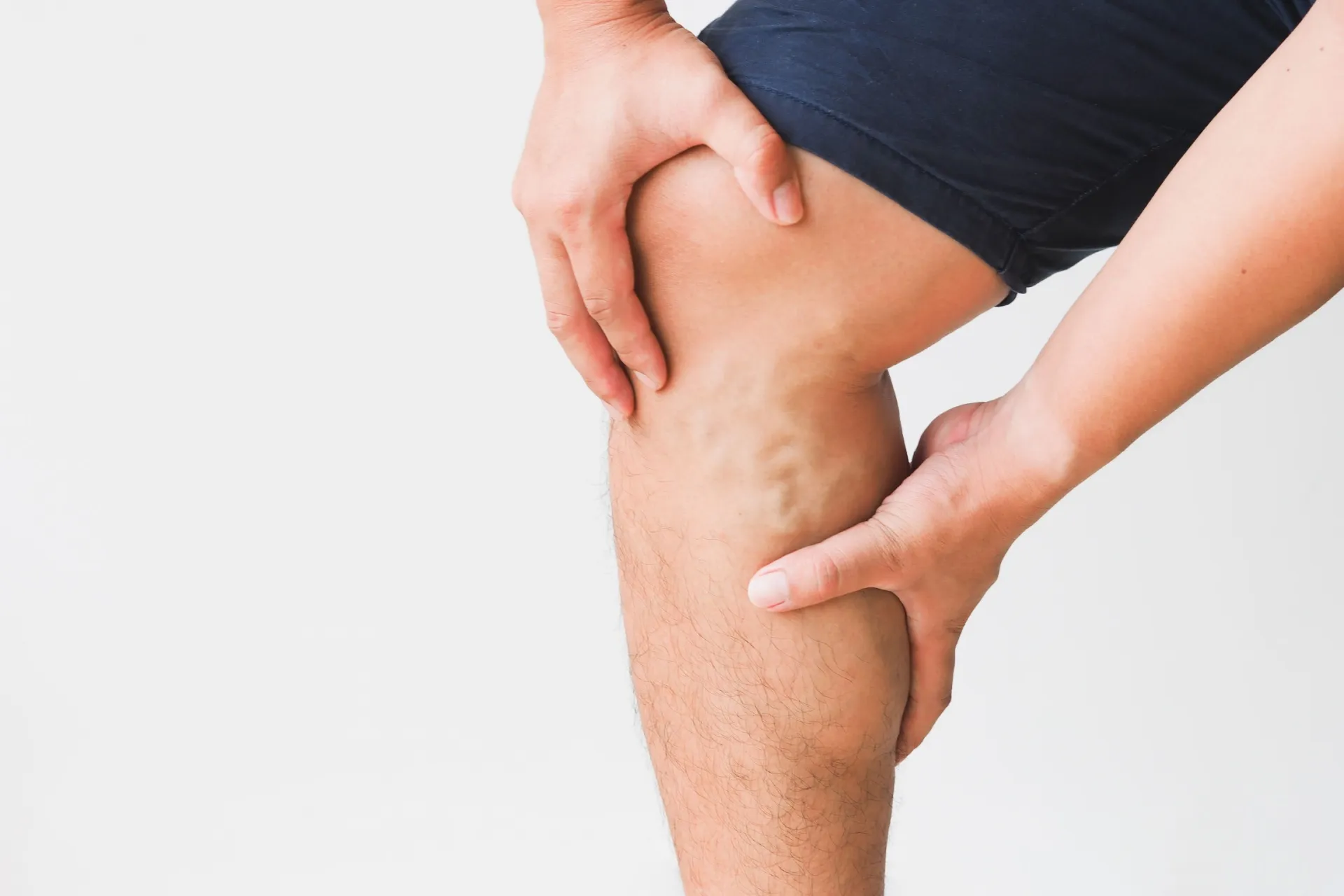
While their twisted, bulging appearance draws your initial attention, varicose veins often produce uncomfortable symptoms that impact your daily life. Patients frequently report aching, throbbing or pain in the affected areas. The discomfort typically intensifies after prolonged standing and may improve with leg elevation. Some patients experience itching around varicose veins, while others notice skin changes like discoloration or inflammation.
Complications can arise when varicose veins remain untreated. Superficial thrombophlebitis (blood clots forming within varicose veins) causes sudden pain, redness and hardening along the vein. Though rarely dangerous, this condition can be alarming, and evaluation is warranted. In rare cases, varicose veins can erode through the skin, causing pronounced bleeding that needs immediate care from a vein specialist.
If any of these symptoms sound familiar, reviewing our symptoms checklist can help you determine whether a vein evaluation may be appropriate.
What Happens if Varicose Veins Go Untreated?
Because varicose veins develop slowly, it can be tempting to put off treatment. The condition does not stabilize on its own, though. Venous insufficiency follows a well-documented progression, and what begins as a cosmetic issue or minor discomfort can evolve into a medical problem that affects your daily life.
In the earlier stages, patients may notice leg heaviness and fatigue that worsens throughout the day, along with swelling around the ankles. As venous pressure continues to mount over months and years, the persistent inflammation damages the surrounding skin and subcutaneous tissue. This can produce skin discoloration, chronic itching and thickening of the skin near the ankles and lower calves. In advanced cases, the compromised skin breaks down into venous ulcers that resist healing because the underlying circulation problem prevents normal tissue repair. Dr. Prevosti provides specialized wound care alongside vein treatment for patients who have reached this stage.
Blood clots can also form within varicose veins, a condition called superficial thrombophlebitis. While rarely dangerous, this can be painful and warrants evaluation. On rare occasions, significantly enlarged varicose veins erode through the skin and bleed, which can be alarming and requires prompt attention from a vein specialist.
Early intervention offers the best path to symptom relief while reducing the likelihood of these more advanced complications.
What Can You Do at Home to Manage Varicose Veins?
Home-based strategies cannot repair damaged vein valves, but they can help manage your symptoms and may slow the progression of venous insufficiency. Dr. Prevosti recommends the following to his patients between treatments or while awaiting their evaluation.
Wear Compression Stockings
Compression stockings apply graduated pressure that helps push blood upward through the veins. For patients with varicose veins and symptoms of venous insufficiency, Dr. Prevosti typically recommends 20 to 30 mmHg medical-grade stockings. Proper fit matters, so ask Dr. Prevosti for recommendations on the right compression strength and size for your situation.
Elevate Your Legs
Raising your legs above heart level several times a day allows your circulatory system to work with gravity instead of against it, reducing venous pressure and easing discomfort. A recliner works well for this, or you can lie on a sofa or bed with your legs propped on pillows. Even 15 to 20 minutes at a time can provide substantial relief from aching and swelling.
Stay Active
Walking is one of the most effective ways to support vein function. Each step activates the calf muscle pump and the foot pump, which together propel blood up the leg against gravity. If your job keeps you sitting or standing for long stretches, short walking breaks throughout the day can make a meaningful difference. Even calf raises at your desk engage the muscles enough to improve circulation to an extent.
Treatment Options at Prevosti Vein Center
Dr. Prevosti offers multiple minimally invasive approaches tailored to your vein anatomy and symptoms. His 15 years of exclusive focus on vein care and decades of cardiovascular surgical experience allow him to select the optimal treatment for your needs.
- Ambulatory microphlebectomy
- Physically removes larger surface varicose veins through tiny access sites measuring just 2 to 3 millimeters
- Provides immediate visual improvement because the problematic veins are extracted rather than sealed in place
- Requires significant surgical skill, which is why many vein clinics do not offer this technique; Dr. Prevosti's background working with delicate cardiac vessels makes him particularly adept at this procedure
- Learn more about ambulatory microphlebectomy
- Radiofrequency ablation
- Seals malfunctioning deeper veins from within using precisely controlled thermal energy delivered through a thin catheter
- Dr. Prevosti's preferred method for treating saphenous vein insufficiency, with success rates exceeding 95%
- Uses the ClosureFast system, which features microprocessor-controlled energy delivery for consistent results
- Learn more about radiofrequency ablation
- Endovenous laser ablation (EVLA)
- Achieves the same goal as radiofrequency ablation using targeted laser energy rather than radiofrequency waves
- Offers particular advantages for treating shorter vein segments, including perforator veins and anterior accessory saphenous veins
- Learn more about endovenous laser ablation
- VenaSeal™
- Uses a medical-grade adhesive to permanently close diseased veins without heat energy
- Because no thermal energy is involved, there is no risk of nerve injury or skin burns
- Often eliminates the need for compression stockings after treatment, making it a practical option for patients who have difficulty wearing them
- Learn more about VenaSeal
- Varithena®
- An FDA-approved injectable foam medication that collapses and seals problematic veins of various sizes
- Particularly useful for treating tortuous veins and veins that have been previously treated
- Learn more about Varithena
For complex cases, Dr. Prevosti frequently combines techniques to address multiple aspects of venous insufficiency. He believes that completely eliminating venous disorders, rather than treating them partially, helps maximize symptom relief and reduces recurrence rates.
Why Choose Dr. Prevosti for Varicose Vein Treatment
As a pure vein practice, Prevosti Vein Center dedicates 100% of its resources to treating venous disorders. Dr. Prevosti personally performs all evaluations and treatments, applying his extensive experience to achieve exceptional outcomes. His compassionate approach and gentle techniques help patients feel comfortable throughout their experience.
Schedule your consultation today to discover how Dr. Prevosti's expertise can eliminate varicose veins and restore your leg health.
"Varicose veins are a medical condition, not a cosmetic inconvenience," says Dr. Prevosti. "When you treat the underlying venous insufficiency thoroughly, patients get relief from their symptoms and a better long-term outcome."
